Ye Over The Years: The Many Eras Of Kanye West
The Many Eras Of Kanye West: A Timeline Of Genius, Fame And Fallout - Page 6


Ye, formerly known as Kanye West, is one of the most influential, polarizing, and complex figures in modern music and pop culture. His journey reads like a cinematic narrative: a self-made artist who rose from producer to superstar, reshaped the sound of hip-hop, pushed creative boundaries in fashion, and ultimately became an infamous figure for his antisemitic remarks and bizarre behavior. But what led up to this rollercoaster ride for one of hip-hop’s biggest figures?
Here’s a look back at Ye’s career: the highs, lows and everything in between.
1990-2004: The Rise: From Producer to Superstar

Ye first made his mark in the music industry as a producer, crafting beats for artists like Jay-Z and Alicia Keys in the late 1990s and early 2000s. His sampling style and musical ingenuity quickly earned him respect in hip-hop circles, but he didn’t stop there. He wanted to be seen as a solo artist.
His breakthrough came with The College Dropout in 2004, a deeply personal album that fused soulful production with introspective lyricism. The album spawned classics like “All Falls Down” and “Through The Wire,” a track inspired by Ye’s near-fatal car accident in 2002, which caused his jaw to be wired shut for recovery after it was shattered.
Critics and fans alike were captivated by his fresh voice and willingness to discuss themes like religion, self-worth, and societal pressures in ways that weren’t typical for mainstream rap at the time. He wasn’t just a rapper; he was a storyteller, a visionary, and an authentic voice for a generation.
RELATED CONTENT: Kanye West Takes Out A Full-Page Apology Ad — But Is Accountability Something You Can Buy?
2005 to 2008: Creativity and Reinvention
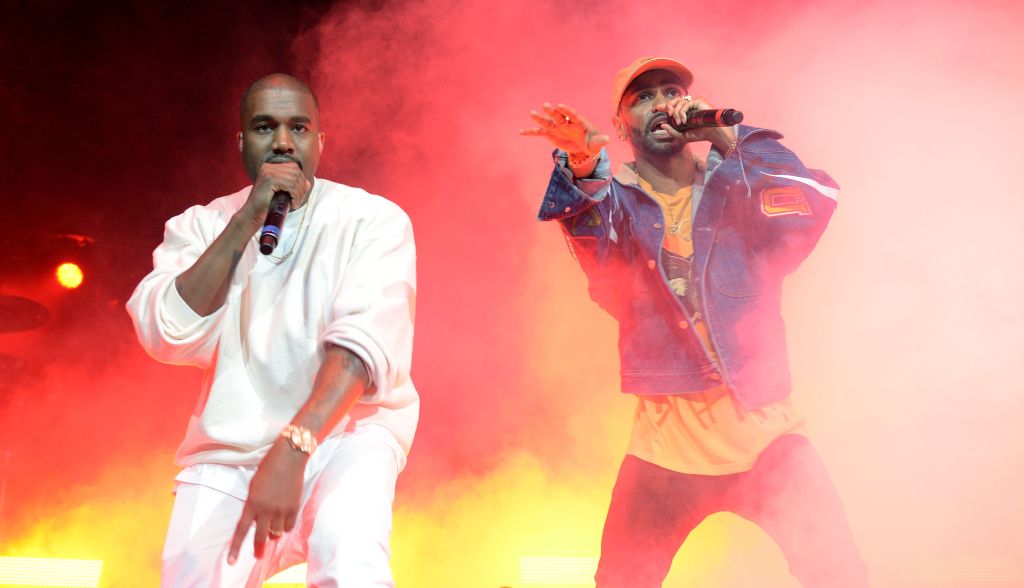
Over the next decade, Ye’s stardom rose tremendously. Albums like Late Registration (2005), Graduation (2007), and My Beautiful Dark Twisted Fantasy (2010) catapulted his success and earned a place in the hearts of fans worldwide. Rolling Stone famously dubbed him the “most successful college dropout since Bill Gates,” and Time called him the “smartest man in pop music.”
What set Ye apart was his ability to continually evolve. From the auto-tune experiments of 808s & Heartbreak (2008) to the abrasive industrial sounds of Yeezus, he never played it safe. Each era brought something new, whether it was innovative production techniques, provocative themes, or genre-bending compositions.
It was around this time that Ye began speaking more openly about his political beliefs. In 2005, during an NBC primetime benefit concert to raise funds for Hurricane Katrina relief, Ye addressed the devastating loss of life in the storm’s aftermath. In a moment that stunned viewers nationwide, he declared live on air, “George Bush doesn’t care about Black people.” The statement stopped many in their tracks and marked a turning point in his public image, ushering in a new chapter for the rapper and producer.
From that moment on, it was clear that Ye wasn’t just willing to take creative risks in his music; he was also unafraid to voice his political beliefs.
2009-2018: Ye’s Trump Era

Despite his artistic brilliance, Ye’s public life has been overshadowed by a series of highly publicized controversies. Some were relatively mild — like the infamous 2009 MTV VMAs incident when he interrupted Taylor Swift’s acceptance speech, later apologizing — but others were far more serious.
Fans began raising eyebrows at the rapper in 2016, when his political views became more visible. He voiced support for Donald Trump several times while he was campaigning for president, even addressing it directly during a concert. Speaking to a California crowd in November 2016, the hip-hop icon said, according to Business Insider, “I told y’all I didn’t vote, right? But if I would’ve voted, I would’ve voted for Trump.”
The audience responded with loud boos, making it clear the statement had struck a nerve.
Shortly after Trump won the election, Ye was spotted arriving at Trump Tower, where he later told reporters that he and the president discussed “life.” The rapper later tweeted that he met with Trump to discuss “multicultural issues,” though those tweets were deleted in 2017. Still, his support for the Republican leader remained strong.
In 2018, Ye was photographed wearing a red MAGA hat while visiting Trump at the Oval Office, a moment that sparked widespread debate and backlash. Surrounded by supporters and a swarm of cameras, Trump and Ye discussed topics ranging from welfare and prison reform to mental health. During the visit, Ye remarked that wearing the MAGA hat made him feel like Superman. But their friendship quickly fizzled.
Bizarrely, in 2020, the rapper denounced his support of the president, telling Forbes’ Randall Lane, “I am taking the red hat off, with this interview.” He strangely added, “One of the main reasons I wore the red hat as a protest to the segregation of votes in the Black community. Also, other than the fact that I like Trump hotels and the saxophones in the lobby.”
2019-2025: A Talent Shadowed by Controversy
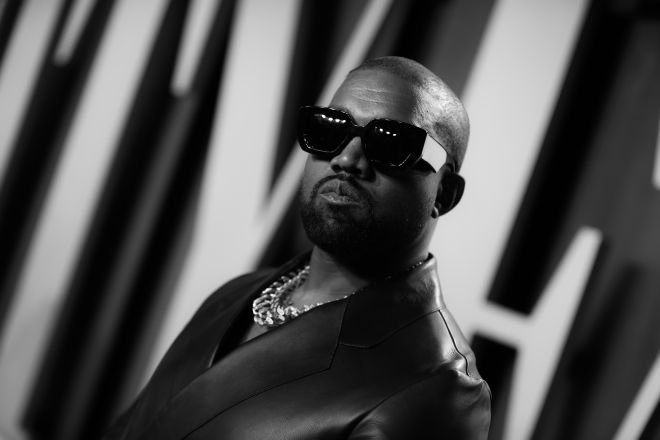
The political controversy didn’t completely taint his career trajectory. In 2019, the hip-hop giant made waves in fashion, most notably with his Yeezy brand, alongside Adidas, which merged high fashion with street culture. The brand brought in billions, and Ye was redefining what it meant to be an artist in the 21st century. But the star’s outspoken behavior escalated drastically. Beginning around 2022, he made a series of antisemitic comments and posts that sparked widespread condemnation and had significant professional consequences.
Instagram placed a restriction on his account amid his hate rage, causing him to respond in a now-deleted tweet, according to NPR, “I’m a bit sleepy tonight but when I wake up I’m going death con 3 ON JEWISH PEOPLE. The funny thing is I actually can’t be Anti Semitic, because black people are actually Jew also. You guys have toyed with me and tried to black ball anyone, whoever opposes your agenda.”
The comments had serious consequences for the celeb. Adidas severed its lucrative partnership with his Yeezy brand, and other music and fashion industry ties dissolved as brands and collaborators distanced themselves from his remarks and actions.
These controversies didn’t occur in isolation. Over time, many fans and observers began to connect Ye’s public behavior — including erratic social media posts and polarizing statements — with broader struggles in his personal life and mental health.
Ye’s fall from grace wasn’t immediate, but it was dramatic. What once seemed like provocative genius increasingly crossed the line into rhetoric that damaged his reputation beyond repair. Comments promoting harmful symbols and hateful language alienated large swaths of his fanbase and led to tangible professional and personal repercussions.
His music career, which had once been untouchable, began to slow in terms of mainstream presence. Major record deals were not renewed, and his releases became less commercially visible despite having a loyal base of listeners. His public persona shifted from celebrated artist to controversial figure, someone people debated, criticized, and sometimes outright rejected.
2026: The Apology: A New Chapter?
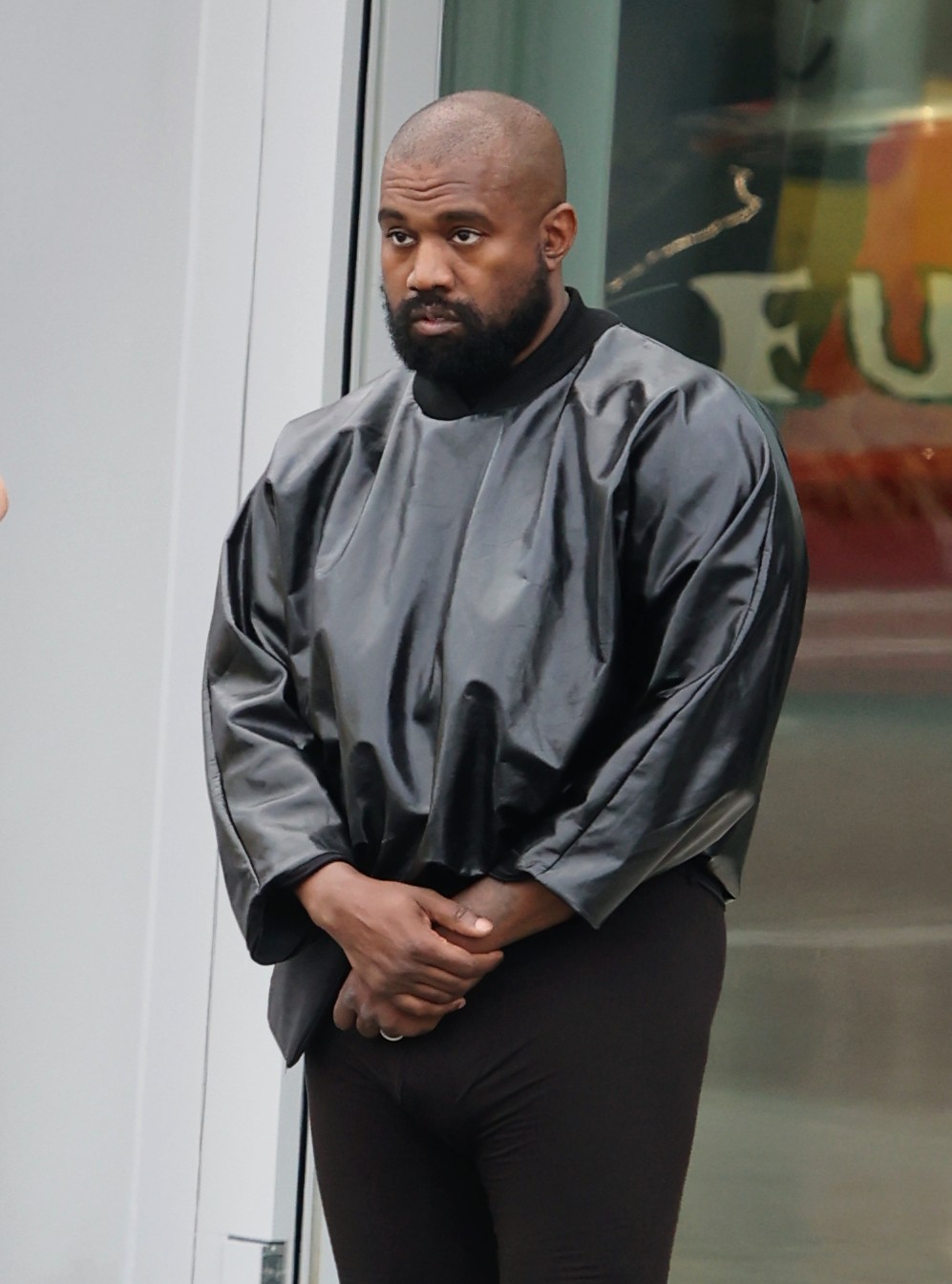
Now it appears as though Ye is turning a new leaf, hopefully toward a chapter of growth and renewal. On Jan. 26, the Chicago native took a very public step toward addressing his past behavior with a full-page advertisement in The Wall Street Journal titled “To Those I’ve Hurt.” In the ad, he acknowledged that at times he had “lost touch with reality” and expressed remorse for his antisemitic comments and remarks.
Ye attributed much of this behavior to a combination of mental health struggles, including a previously undiagnosed frontal-lobe brain injury from his 2002 car accident. He claimed that the injury, in part, pushed his bipolar type-1 disorder to advance. In the letter, he stated that he had engaged in “destructive” behavior during a four-month manic episode brought on by the disorder.
According to the rapper, that period led him to act out in hate, including selling shirts with swastikas on his website. He said he regretted these actions deeply and denied being a Nazi or an antisemite, saying, “I love Jewish people,” and asked for understanding as he works on accountability and personal growth.
He doubled down on his remorse in a follow-up interview with Vanity Fair published Jan. 27, stressing that the apology ad wasn’t a PR stunt to promote his upcoming album Bully, or an attempt to revive his career. Ye said it was purely done from the regret he held in his heart.
“This, for me, as evidenced by the letter, isn’t about reviving my commerciality,” the rapper said. “This is because these remorseful feelings were so heavy on my heart and weighing on my spirit. I owe a huge apology once again for everything that I said that hurt the Jewish and Black communities in particular. All of it went too far.”
Now, Ye says he’s focused on staying stable and finding the right treatment plan to keep his bipolar disorder under control.
When asked about his long-standing reluctance toward medication and whether those fears were justified, Ye was candid about the challenges.
“I’ve been put on and taken off of many medications. That’s just part of the journey,” he said. “The African American community has a hypersensitivity to antipsychotic drugs, more than most groups. Finding the right dosage is difficult, but it’s important and critical to finding the right balance with the illness.”
What Comes Next?
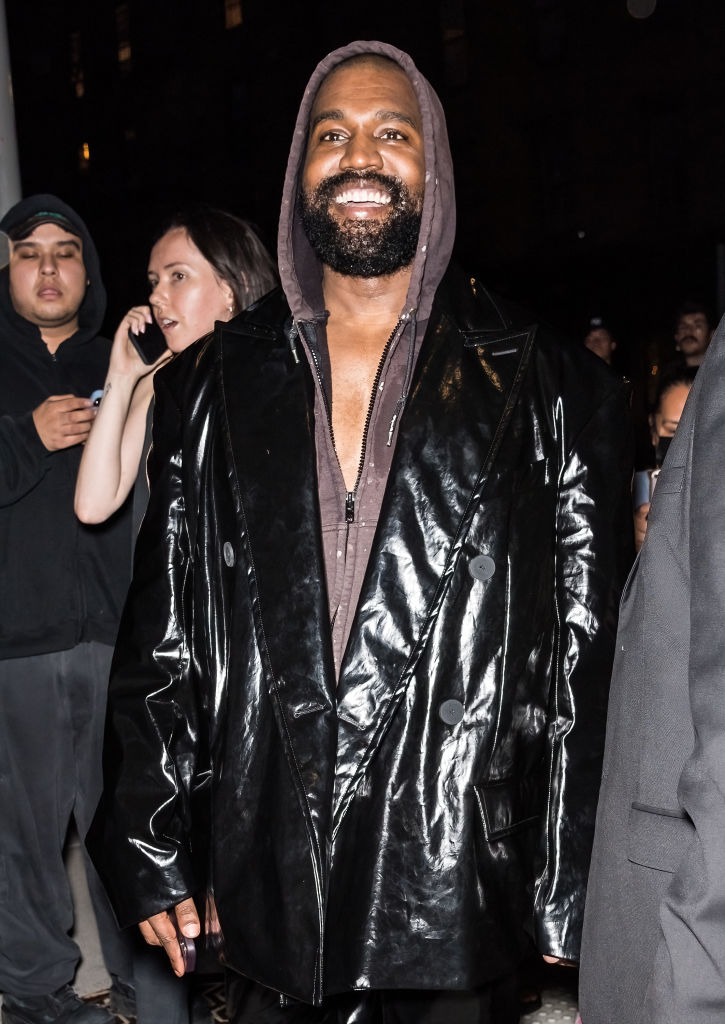
Whether the apology marks a true turning point in Ye’s life, both publicly and privately, remains to be seen. For many critics, forgiveness will require consistent, accountable actions over time, not just words in a newspaper ad. Still, it could represent a genuine first step toward redemption, personal healing, and accountability.
What is undeniable is that Ye’s story is far from over. From producer prodigy to cultural titan, and from controversy to introspection, many are watching closely in hopes that this next chapter is a positive one for the star.
RELATED CONTENT: Surviving Ye?—Kanye West Calls Himself & Bianca Censori ‘The New Cassie & Diddy’ In Song Confirming Split: X Reacts
The post The Many Eras Of Kanye West: A Timeline Of Genius, Fame And Fallout appeared first on MadameNoire.
The Many Eras Of Kanye West: A Timeline Of Genius, Fame And Fallout - Page 6 was originally published on madamenoire.com


