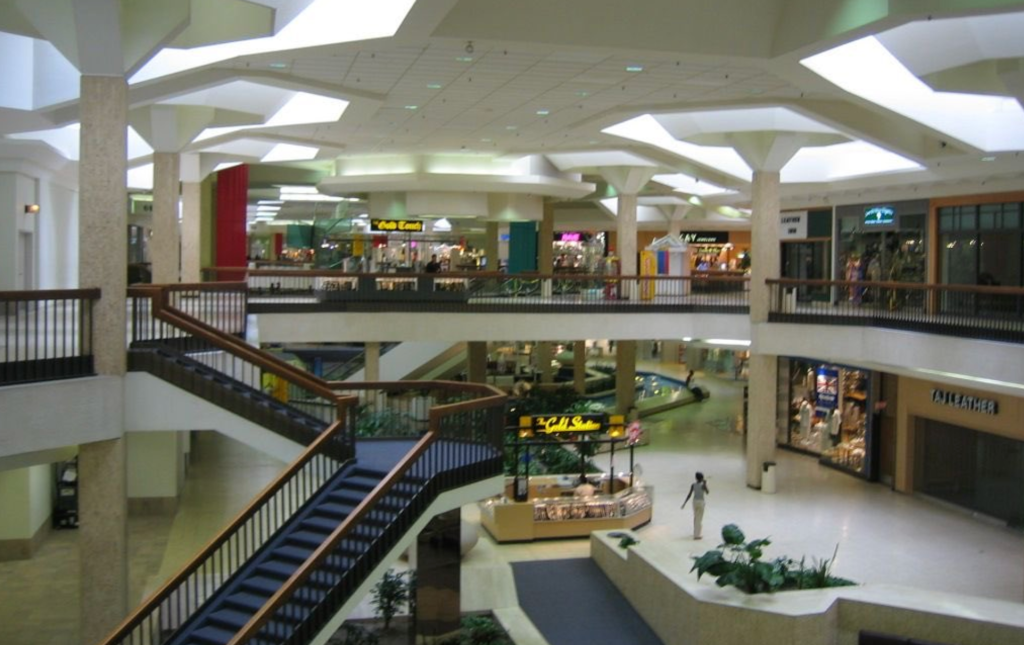
Randall Park Mall opened in 1976 as the world's largest shopping mall.
The mall's decline led to its closure after just 33 years, becoming a symbol of 'dead malls'.
The former mall site now houses an Amazon fulfillment center, reflecting retail's shift to logistics.
Source: X / Twitter
Few attractions in Northeast Ohio conjure more positive, reminiscent thoughts than Randall Park Mall.
Developers opened it in 1976 with massive expectations. At the time, it claimed the title of the largest mall in the world. The complex featured hundreds of stores and drew shoppers from across the region.
But the mall’s story did not stay golden. Changing retail trends and shifting populations slowly drained its power. Stores closed, foot traffic dropped, and the massive space became difficult to sustain.
Today, the site tells a very different story. Before it disappeared, Randall Park Mall left behind some wild facts that many people still don’t know.
A Look Back At The Rise And Fall Of Randall Park Mall
1. It Opened As The Largest Mall In The World
Love CLE? Get more! Join the Praise Cleveland Newsletter
Thank you for subscribing! Please be sure to open and click your first newsletter so we can confirm your subscription.
Developers opened Randall Park Mall in 1976 with massive expectations. At the time, it claimed the title as the largest shopping mall in the world. The complex featured more than 2 million square feet of retail space. That scale helped draw shoppers from across Northeast Ohio and beyond.
2. The Mall Replaced A Horse Racetrack
The site once housed the Randall Park Race Track before developers built the mall. That racetrack operated for decades and drew large crowds. The transformation marked a major shift from entertainment to retail. It also showed how valuable the land had become.
3. It Was Designed As A Full Community Hub
Developers planned more than just a mall. They envisioned apartments, office space, and entertainment venues. The goal was to create a “city within a city.” That concept mirrors modern mixed-use developments seen today.
4. It Featured More Than 200 Stores
At its peak, Randall Park Mall housed over 200 retail stores. Shoppers could find everything from clothing to electronics in one location. The mall became a one-stop destination for families. Its size helped it dominate the local retail scene for years.
5. The Parking Lot Held Thousands Of Cars
The mall included space for roughly 8,000 vehicles. That number reflects how many visitors developers expected daily. Large crowds filled the lot during peak years. The scale matched the mall’s massive footprint.
6. It Brought Jobs To A Small Village
North Randall had a small population, but the mall changed that dynamic. Randall Park Mall employed thousands of workers at its peak. The workforce far exceeded the village’s population. That made the mall a major economic driver in the area.
7. It Had A Star-Studded Anchor Lineup
Major department stores anchored the mall from the start. Names like Sears, JCPenney, and Higbee’s drew consistent traffic. These anchors helped smaller stores succeed. Over time, those big names began to leave, signaling trouble ahead.
8. It Added A Magic Johnson Movie Theater
Randall Park Mall upgraded its entertainment footprint in 1999. Developers opened a 12-screen Magic Johnson Theatres location inside the mall. The theater brought modern screens, stadium seating, and updated sound to the property. It later rebranded after AMC acquired the chain, before closing in 2009 as the mall declined
9. It Cost $175 Million To Build
Developers spent about $175 million to build Randall Park Mall in the 1970s. That number reflects one of the largest retail investments in Ohio at the time. Adjusted for inflation, that total equals roughly $900 million to $1 billion in 2026 dollars. The massive cost matched the mall’s record-setting size and ambition.
10. It Closed After Just 33 Years
Randall Park Mall opened in 1976 and closed in 2009. That lifespan surprised many given its early success. Declining foot traffic and store closures played a major role. The once-busy mall slowly became empty.
11. It Became A Symbol Of “Dead Malls”
By the 2000s, the mall struggled to stay alive. Many stores closed, leaving large sections empty. Photographers and urban explorers documented the decline. The site became one of the most famous “dead malls” in America.
12. The Site Is Now Home To An Amazon Facility
The mall site now serves a completely different purpose. Amazon opened a massive fulfillment center there in 2018. The facility spans about 855,000 square feet and brought around 2,000 full-time jobs to the area. The shift reflects how retail space evolved into logistics infrastructure.